
Compare a protective polyurea coating, high-purity alumina powder and dibasic ammonium citrate for focused industrial procurement.
Industrial materials rarely belong on one purchasing checklist. A protective coating is judged by service conditions, an abrasive powder by particle characteristics, and a process salt by chemical identity and purity. Understanding those differences helps importers and distributors request useful quotations instead of comparing products on price alone.
Define the Performance Requirement
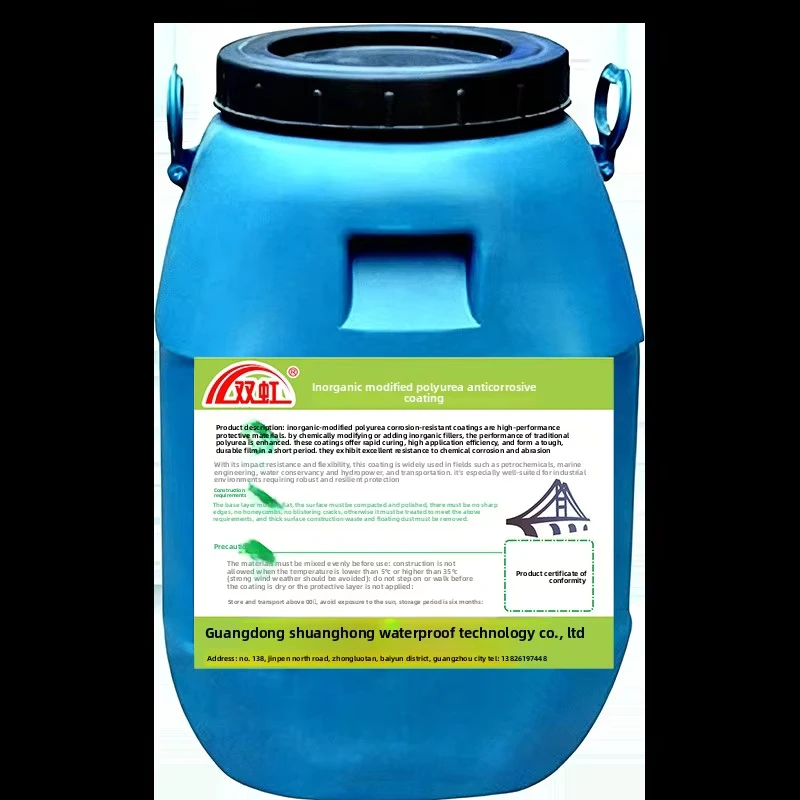
For wastewater containment, the polyurea protective coating is a liquid resin material designed for industrial and domestic sewage tanks. Its stated features include corrosion protection, waterproofing, and resistance to acids and alkalis. Before procurement, buyers should identify the substrate, operating temperature, immersion chemicals, surface preparation method, coating thickness, and curing conditions. Technical guidance can then be aligned with the actual installation environment.
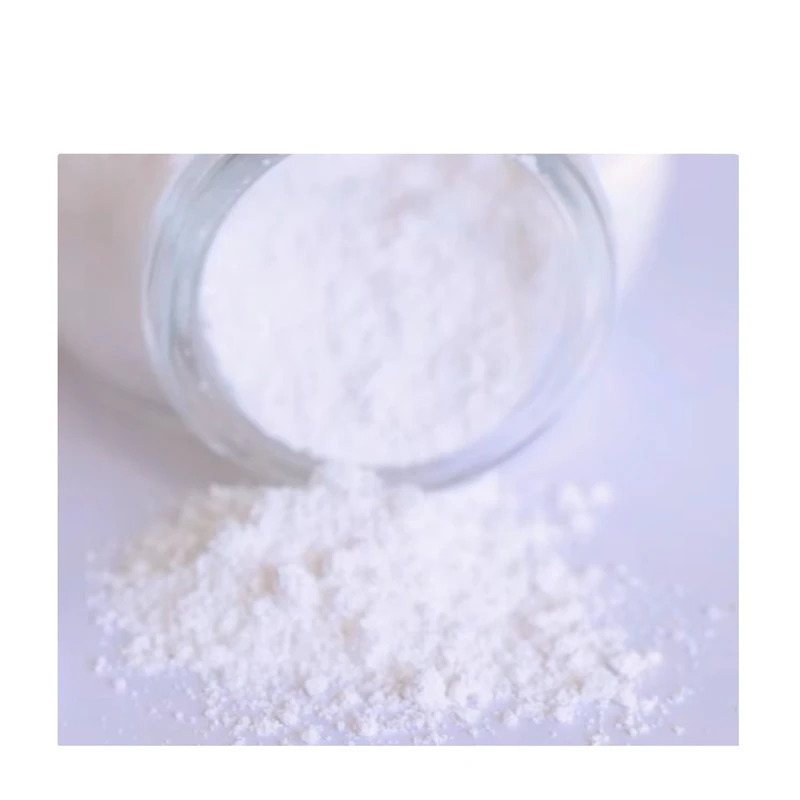
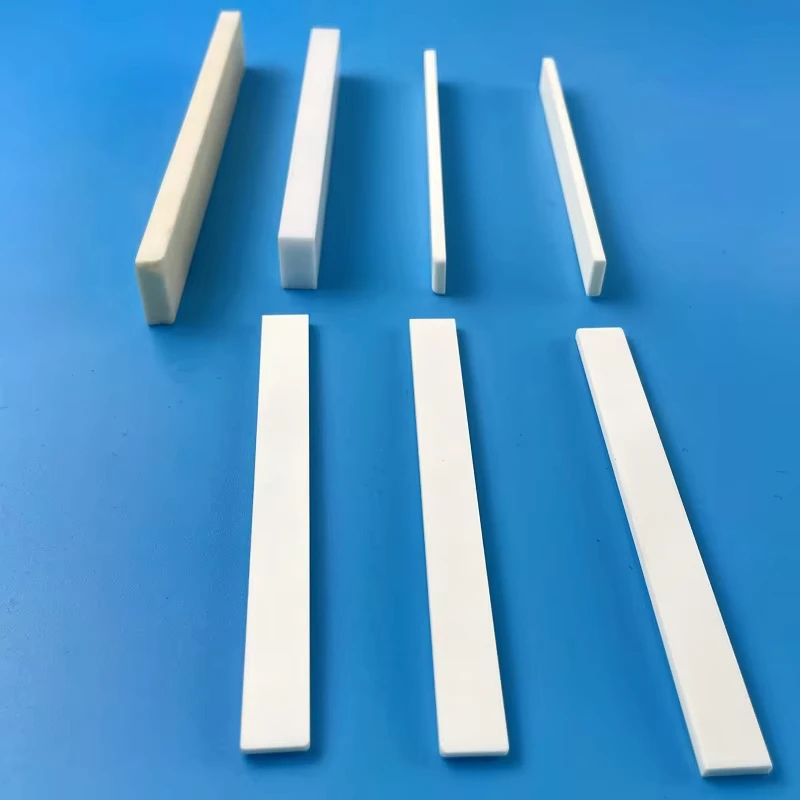
Powder selection requires a different conversation. The alumina oxide powder has a listed content of 99.90% and a D50 particle size of 8–10 μm. It is positioned for grinding and polishing, while its stated uses also include ceramics, coatings, inks, plastics, rubber, and leather pigments. Buyers may need to confirm particle-size distribution, contamination limits, batch tolerances, and sample evaluation procedures for their process.
Verify Chemical Identity and Handling Needs
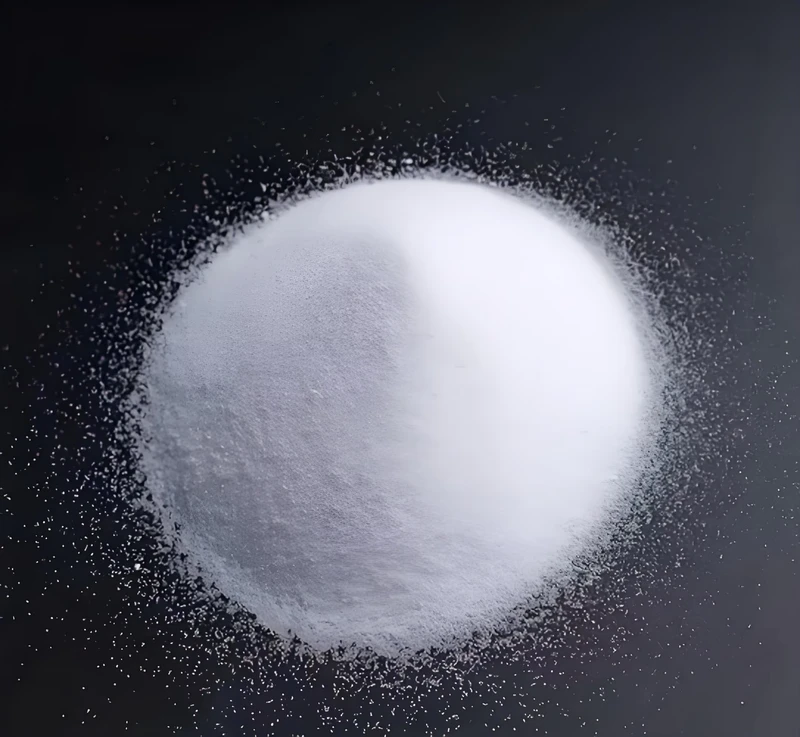
Dibasic ammonium citrate is supplied as a white industrial-grade powder with 99% purity, CAS 3012-65-5, and EINECS 221-146-3. Procurement teams should clarify the assay basis, moisture requirements, intended application, storage conditions, and required documentation before placing a bulk order.
For a focused quotation, provide the application, required quantity, destination, specifications, certificate expectations, and sample needs. This allows each material to be reviewed on relevant technical and commercial terms and creates a clearer path from inquiry to supply.